
Heat Recovery Units (HRUs) are often promoted as the solution for reducing ventilation energy losses in modern HVAC systems. The original article correctly outlines how HRUs recover waste heat and improve efficiency. However, in real-world installations, the true performance of any heat recovery unit is determined not just by the heat exchanger — but by the HRU controls that manage it.
Without intelligent heat recovery unit controls, even the most efficient HRU can underperform, consume excess electrical energy, or fail to deliver the projected cost savings.
This blog shifts the focus from the unit itself to what truly reduces operational expenditure: advanced HRU controls, ventilation control strategies, and system optimisation.
What This HRU Controls Guide Covers
- How HRU controls reduce heating and electrical costs
- Why heat recovery unit controls determine real-world efficiency
- The difference between basic and advanced HRU control strategies
- How HRU controls support Part L and net-zero targets
- Example HRU control sequence for HVAC professionals
- FAQs on HRU controls and upgrades
Table of Contents
- Understanding HRU Controls in Modern HVAC Systems
- How HRU Controls Improve Energy Efficiency
- How HRU Controls Reduce Operational Costs
- HRU Controls vs Traditional Ventilation Controls
- Advanced HRU Control Strategies That Maximise ROI
- Example HRU Control Sequence
- HRU Controls and UK Compliance
- HRU Controls FAQs
- HRU Controls: Key Takeaways
1. Understanding HRU Controls in Modern HVAC Systems
An HRU recovers heat from exhaust air and transfers it to incoming fresh air . But HRU controls determine:
- How much air is supplied
- When fans operate
- Whether bypass dampers activate
- How frost protection is managed
- How the system communicates with BMS
Without optimised HRU controls, systems often:
- Run at constant full speed
- Over-ventilate low-occupancy spaces
- Use unnecessary pre-heating
- Miss opportunities for free cooling
The difference between basic thermostat-based control and advanced HRU controls can represent 20–50% variation in real-world energy performance.
2. How HRU Controls Improve Energy Efficiency
Variable Speed Fan Control in HRU Controls
Fan motors are one of the largest electrical loads in ventilation systems.
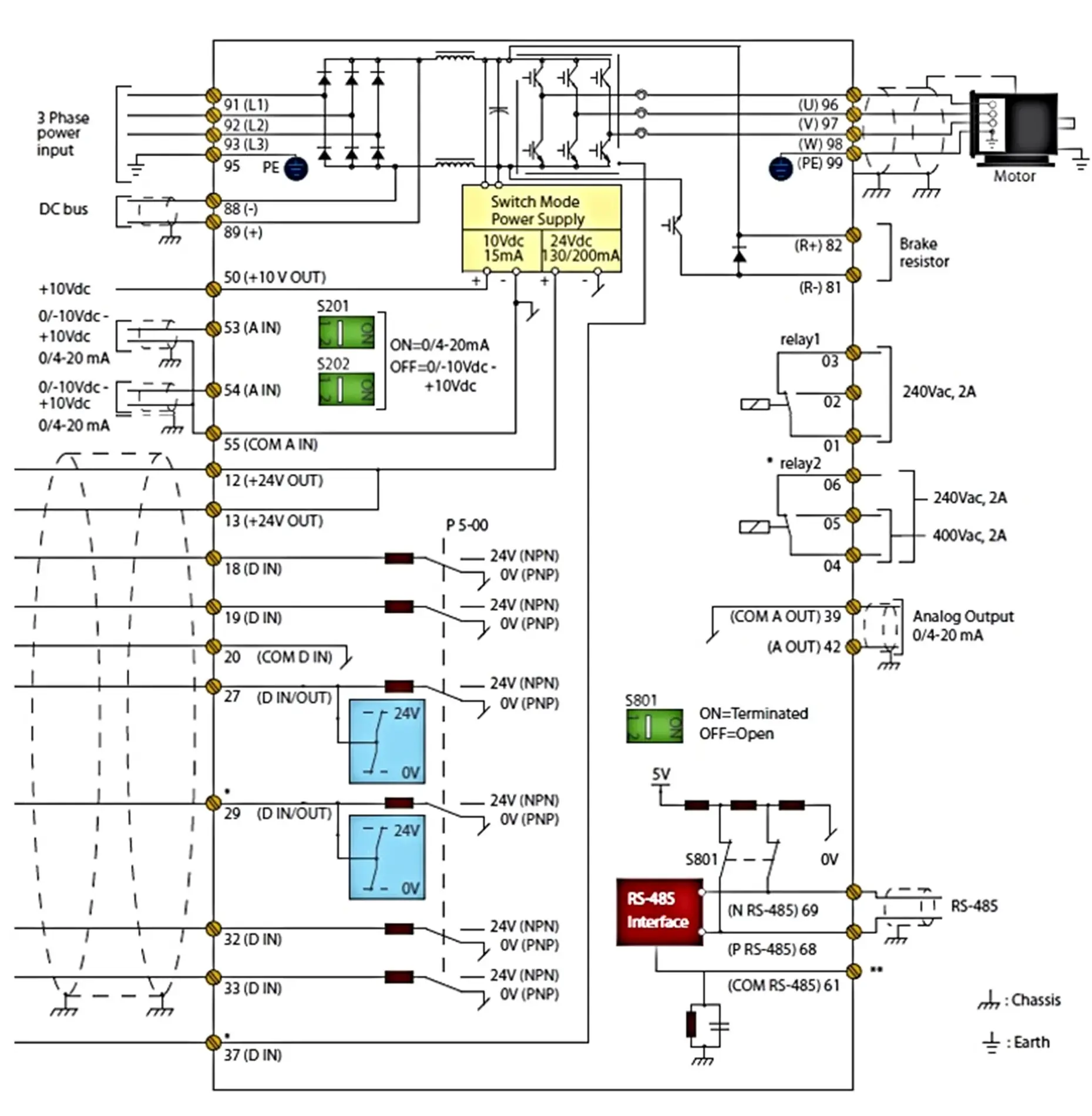
Advanced HRU controls integrate variable speed drives (VSDs) from manufacturers such as Danfoss to modulate airflow based on real demand.
Due to the cube law relationship between airflow and power:
- A 20% reduction in fan speed can reduce energy consumption by up to 50%.
This makes variable speed HRU controls one of the most powerful energy-saving upgrades in ventilation systems.
Demand-Controlled Ventilation (DCV) in HRU Controls
Modern heat recovery unit controls integrate sensors from companies such as Sontay and Dwyer to enable demand-controlled ventilation.
By monitoring CO₂ and occupancy:
- Airflow increases only when needed
- Heating demand is reduced
- Over-ventilation is eliminated
In commercial buildings, this control strategy alone can reduce ventilation-related heating loads by 20–40%.
Intelligent Bypass in HRU Controls
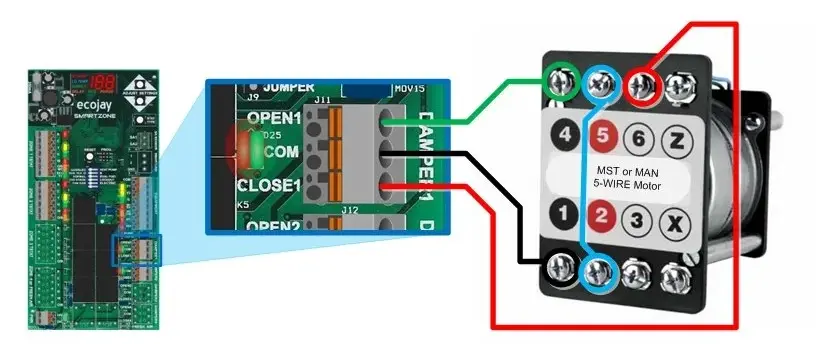
During favourable external conditions, bypass dampers allow free cooling.
Actuators from Belimo enable precise damper positioning, ensuring HRU controls maximise seasonal efficiency.
Without intelligent bypass logic, systems may continue recovering heat when cooling is required — increasing energy consumption unnecessarily.
3.
How HRU Controls Reduce Operational Costs
While HRUs are often credited with up to 25% energy bill reductions , those savings are only achievable when the HRU controls are correctly designed and commissioned.
HRU controls reduce costs by:
- Lowering fan electrical consumption
- Reducing heating demand
- Preventing simultaneous heating and cooling
- Extending equipment lifespan
- Reducing maintenance call-outs
Advanced HRU controls also allow:
- Remote monitoring
- Early fault detection
- Data-driven performance optimisation
These features reduce reactive maintenance costs and improve system reliability.
4. HRU Controls vs Traditional Ventilation Controls
Traditional ventilation systems:
- Run at fixed speed
- Operate on simple time clocks
- Lack real-time IAQ feedback
- Provide limited BMS communication
Advanced HRU controls offer:
- Modulating airflow
- CO₂-based control
- Intelligent frost protection
- BACnet/Modbus integration
- Energy performance tracking
The operational difference is significant, particularly in buildings with variable occupancy.
5. Advanced HRU Control Strategies That Maximise ROI
Effective HRU controls typically include:
- PLC-based logic
- Variable speed drives
- Temperature comparison algorithms
- Frost protection staging
- Differential pressure monitoring
- Alarm reporting to BMS
Control platforms from Siemens and Schneider Electric allow precise customisation of these strategies.
When combined, these features enable HRU controls to reduce overall ventilation energy demand by up to 30–50% compared to constant-volume systems.
6. Example HRU Control Sequence (Technical Overview)
In the UK, ventilation systems must increasingly demonstrate measurable efficiency under:
- Part L Building Regulations
- SBEM calculations
- BREEAM assessments
- Net-zero carbon frameworks
HRU controls directly influence:
- Fan power calculations
- Seasonal efficiency performance
- Ventilation heat loss
- Carbon reporting
Without advanced heat recovery unit controls, achieving compliance targets becomes significantly more difficult.
8. HRU Controls FAQs
What are HRU controls?
HRU controls are the electrical and automation systems that regulate fan speeds, heat exchange, bypass dampers and frost protection within a heat recovery ventilation system.
Do HRU controls really reduce energy costs?
Yes. Advanced HRU controls reduce fan energy through variable speed operation and reduce heating demand through demand-controlled ventilation, delivering measurable operational savings.
Can upgrading HRU controls improve efficiency without replacing the unit?
In many cases, yes. Upgrading the control strategy can significantly improve performance without replacing the heat exchanger.
Are HRU controls required for Part L compliance?
While not explicitly mandated, effective HRU controls are essential for achieving the energy performance required under Part L calculations.
What is the most important feature in HRU controls?
Variable speed fan control combined with demand-controlled ventilation typically delivers the greatest efficiency improvement.
9. HRU Controls: Key Takeaways
- HRUs recover heat, HRU controls determine real-world savings
- Variable speed fan control dramatically reduces electrical consumption
- Demand-controlled ventilation prevents energy waste
- Intelligent bypass improves seasonal efficiency
- Upgrading HRU controls can deliver strong ROI
- Advanced HRU controls are essential for UK compliance
Conclusion: Focus on HRU Controls to Unlock True Efficiency
Heat Recovery Units are a valuable part of modern HVAC systems. However, the true reduction in energy costs and improvement in efficiency comes from intelligent HRU controls.
Whether in commercial offices, education facilities, healthcare environments or industrial buildings, optimised heat recovery unit controls:
- Reduce operational expenditure
- Improve carbon performance
- Enhance indoor air quality
- Extend equipment lifespan
For HVAC professionals, consultants and facilities managers, the message is clear:
If you want to reduce cost and improve efficiency, focus on the control strategy, not just the unit.